The Post-Dry Food Era: Why Freeze-Drying Technology Is Inevitable for Middle Eastern Pet Retail
Introduction: The Quiet Transformation Between Shelves
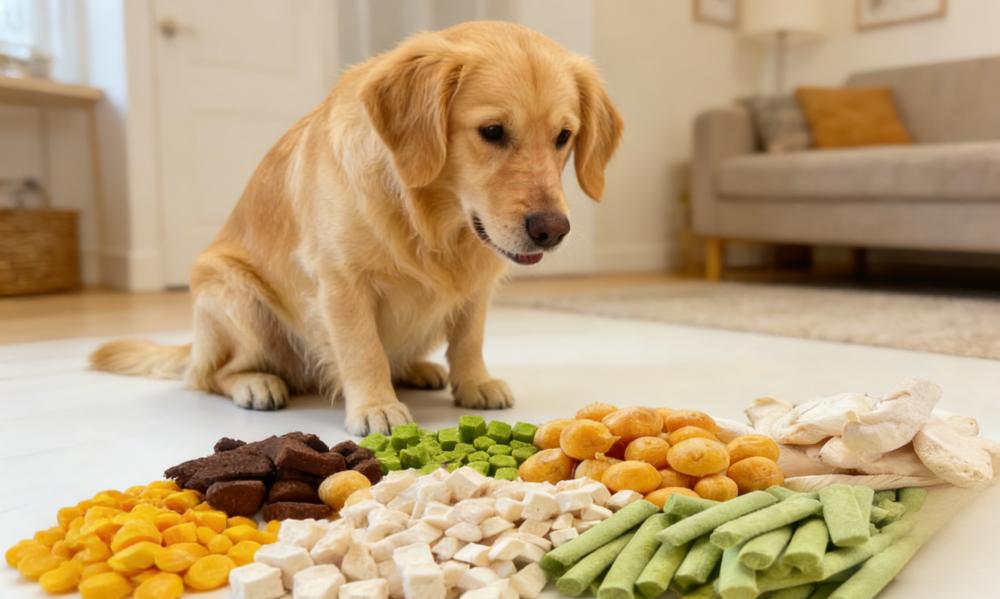
If you take a close look at high-end pet retail stores in Riyadh or Dubai, you'll notice an interesting phenomenon: while extruded dry food still occupies 80% of shelf space, it's no longer the large bags of dry food that appear most frequently in the prime "golden positions"—instead, it's smaller, higher-priced freeze-dried products.
This is no coincidence. The global pet food industry is undergoing a paradigm shift from "convenience" to "biological suitability." For Middle Eastern distributors, understanding the technical logic and consumer psychology behind this trend is more important than simply introducing a new brand.
Demystifying the Technology: It's More Than Just "Dried Meat"
Many industry practitioners easily confuse "freeze-drying" with traditional "drying/air-drying." But technically, these are two entirely different dimensions.
Traditional Drying: Relies on hot air to evaporate moisture. High temperatures cause physical shrinkage of meat, making the texture hard, and irreversibly destroying heat-sensitive vitamins and natural enzymes.
Freeze-Drying Technology: Utilizes the principle of "sublimation" in physics. In a vacuum environment at -35°C to -40°C, the moisture in meat directly converts from a solid (ice) to a gas (vapor) without passing through the liquid state.
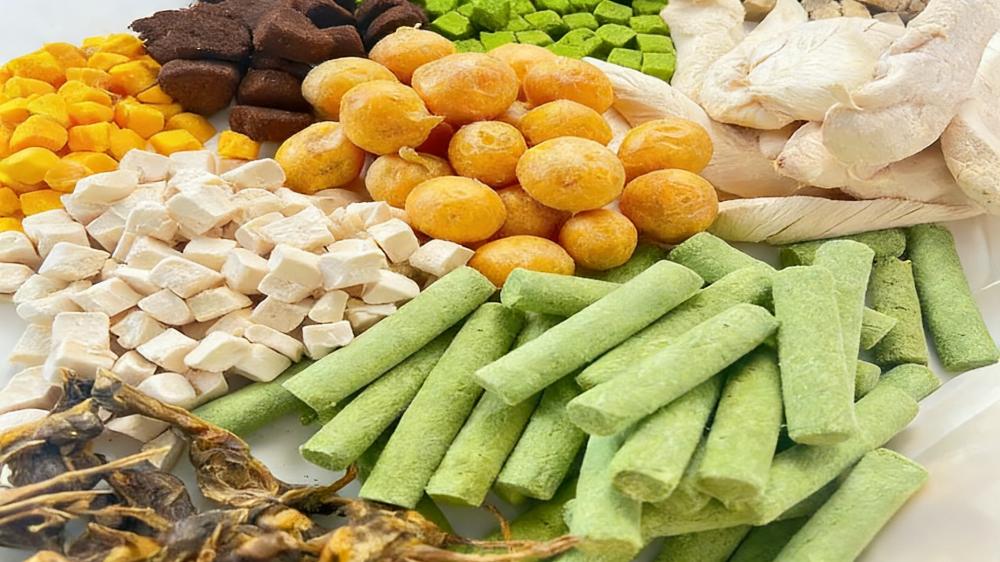
Why does this matter? It means freeze-dried products retain the original porous, sponge-like structure of raw meat. The core advantage of this structure is "instant rehydration"—something traditional dried meat cannot achieve. For end consumers, what they're buying is not a snack, but raw meat in a "dormant state."
The Middle Eastern Context: Solving the "Hydration Paradox"
Why is freeze-drying technology particularly suitable for the Middle Eastern market? It starts with the climate and pet ownership structure here.
Gulf countries are renowned globally as "cat-loving markets." However, felines are naturally low-thirst animals. In the dry environment of desert heat and 24/7 indoor air conditioning, long-term consumption of dry food with a moisture content of <10% easily leads to chronic dehydration and urinary system issues.
While wet food cans can replenish moisture, they are difficult to preserve after opening, and their heavy weight results in extremely high logistics costs.
Freeze-dried products offer the perfect "middle ground":
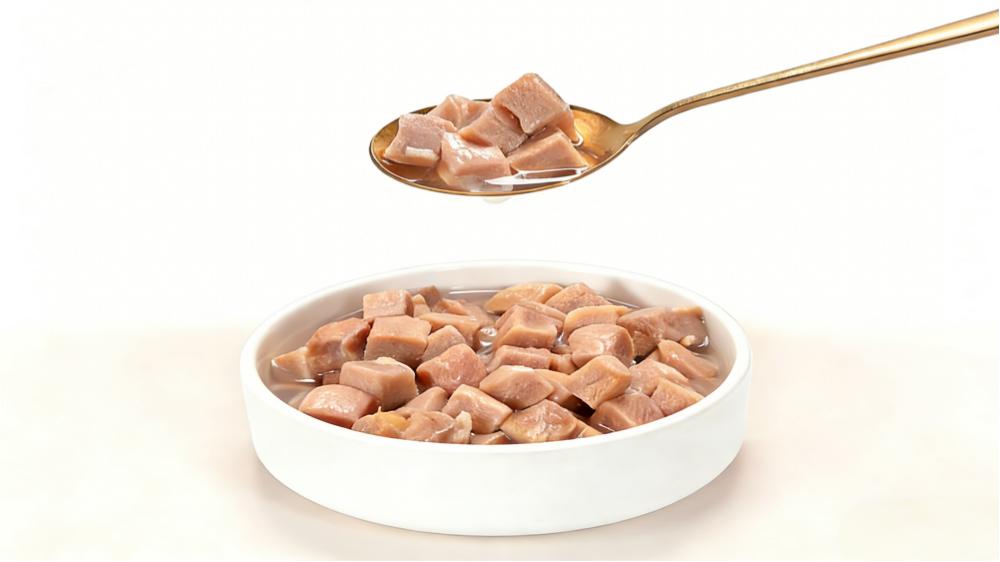
• Rehydratable Raw Meat: When water is added to freeze-dried products, they can reach a texture close to fresh meat in 30 seconds, with a moisture content comparable to traditional fresh meat.
• Palatability: Especially for pets with poor appetite in summer, the concentrated natural meat aroma of freeze-dried products is an excellent appetizer solution.
Current Market Landscape vs. Structural Advantages of the Supply Chain
When we examine the existing freeze-dried products on Middle Eastern market shelves (mainly high-end brands from New Zealand and North America), we find a clear gap. While these pioneers have completed market education for the top 1% of premium customers, they have obvious "supply chain pain points" for distributors aiming to expand market share:
• Brand Premium Tax: Existing Western brands not only include high intercontinental cold chain/logistics costs but also huge brand marketing premiums. This leads to extremely high end prices, severely limiting the target audience.
• Overly Complex Formulas: To justify high prices, many Western brands adopt extremely complex "whole prey" formulas (e.g., deer stomach, sheep rumen, etc.). For Middle Eastern pets in the market cultivation stage whose stomachs are not yet adapted to raw food, this instead increases the risk of allergies and intolerance.
For importers, freeze-dried products are not just an upgrade at the product level, but also an improvement in supply chain efficiency.
• No Cold Chain Required: Compared to frozen raw meat bones popular in Europe and America, freeze-dried products do not require cold chain transportation or frozen storage. In the scorching Middle Eastern summer, this means significant cost savings and risk avoidance.
• Warehousing Stability: A moisture content of less than 5% means natural antibacterial properties. As long as the packaging is intact, it has a shelf life of 18-24 months at room temperature, greatly reducing the risk of inventory obsolescence for distributors.
The market will not always stay in the era of "brown pellets." When consumers start pursuing cleanliness and transparency in ingredient lists, freeze-dried products offer a unique solution: they have the nutrition of raw meat, yet the convenience of dry food.
For distributors, this does not require a radical gamble. Starting with introducing a few core SKUs of freeze-dried snacks or meal toppers and observing market feedback may be the most prudent first step to embrace this inevitable trend.