Introduction
In recent years, the shift from ultra-processed kibble to raw diets has evolved beyond a mere trend—it has become a global movement. Yet for many pet owners and brand managers, "raw feeding" remains a concept clouded in controversy and misconceptions. Is it safe? Is it scientifically validated?
The answer lies in biology. Dogs and cats are carnivores; their digestive tracts are inherently designed to process meat, not carbohydrates. The enduring challenge, however, has been how to deliver this ancestral diet safely within modern households.
Below is a scientific breakdown of why raw feeding is transforming the pet food industry, and how technology is solving the critical safety puzzle.
1. The Biological Truth: It’s About Enzymes, Not Just Meat
The core argument for raw feeding extends far beyond "protein" alone—it centers on bioavailability.
When meat is cooked at high temperatures (such as during the extrusion process for kibble), natural enzymes and heat-sensitive vitamins (including Vitamin A and B-complex) become denatured. This forces manufacturers to replenish these nutrients with synthetic additives.
In contrast, a complete and balanced raw diet preserves the food’s natural enzymatic structure. Numerous studies indicate that raw diets substantially enhance digestibility; because the body expends less energy breaking down food, pets often display higher energy levels, smaller, firmer stools, and lusher, healthier coats.
2. The Safety Myth: Bacteria vs. Technology
The elephant in the room with raw feeding is undoubtedly safety. Critics frequently cite Salmonella and Listeria as primary reasons to avoid raw meat—and this concern is valid when dealing with untreated supermarket scraps.
However, professional pet food manufacturing has advanced dramatically to address this. This is where freeze-dried raw pet food bridges the gap between raw nutrition and safety.
Unlike frozen raw meat, which requires stringent cold-chain management to maintain safety, freeze-drying uses sublimation to remove moisture at extremely low temperatures (-35°C to -40°C). This process inhibits bacterial growth—since bacteria rely on moisture to thrive—while locking in the full spectrum of raw nutrients. Furthermore, responsible manufacturers implement High-Pressure Processing (HPP) or rigorous batch testing to ensure pathogen control, all without cooking or compromising the raw integrity of the meat.
3. Why "Freeze-Dried" is the Modern Solution
For pet food brands, selling frozen raw meat presents significant logistical challenges—from storage to shipping. Freeze-drying offers the ideal market solution: it delivers the nutritional benefits of raw meat with the shelf-stable convenience of kibble.
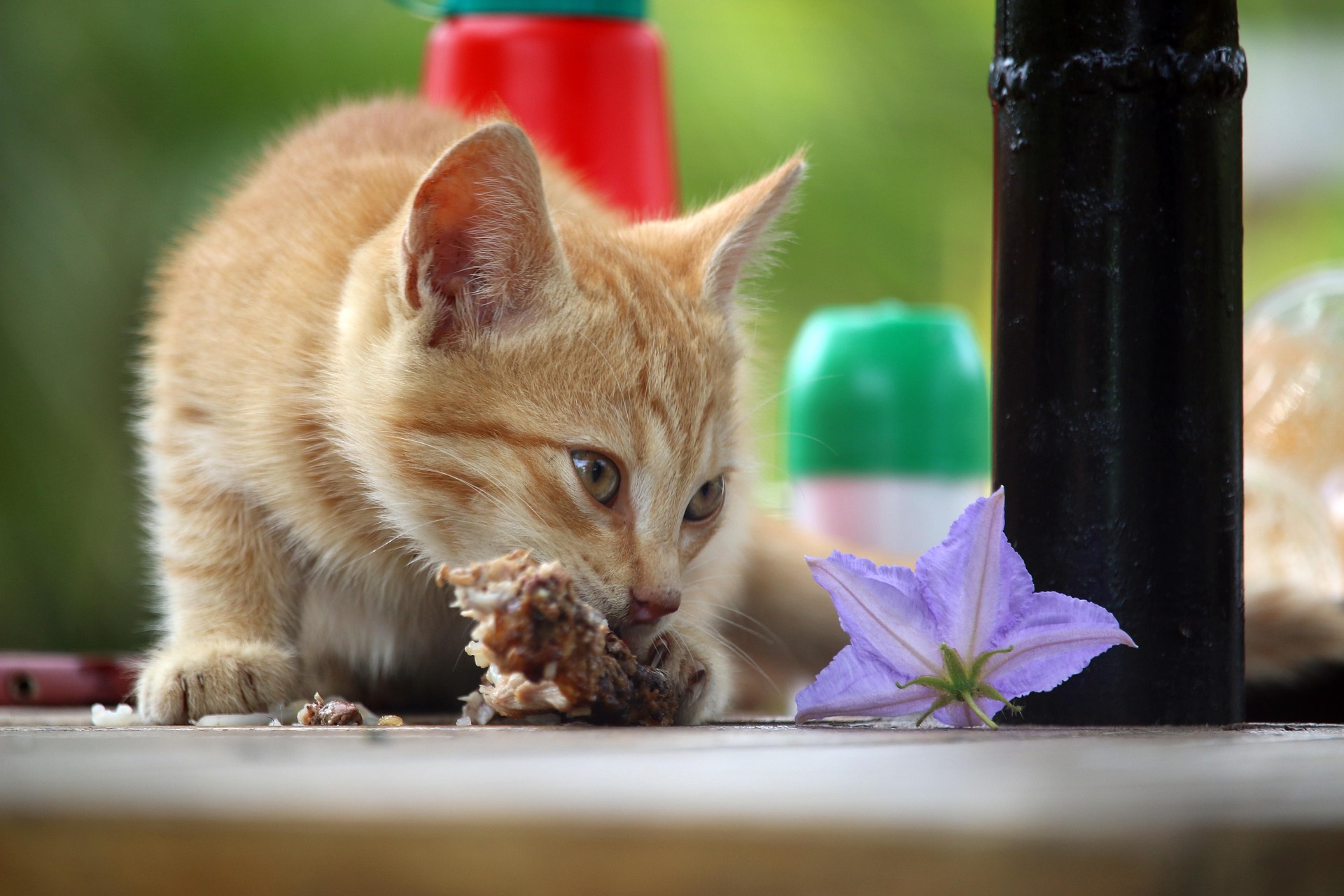
This is particularly critical for cats, who are obligate carnivores. Single-source protein options (such as pure beef or chicken)are essential for avoiding common allergens found in commercial kibble fillers. Freeze-dried formulas also allow owners to rehydrate the food, restoring the texture and aroma of fresh meat that even the pickiest eaters crave.
Conclusion
The truth about raw feeding is straightforward: it is the most biologically appropriate way to nourish our dogs and cats, but it demands uncompromising safety standards.
We are moving past the era of "mystery meat" kibble. As science continues to validate the benefits of raw nutrition, the industry standard is shifting toward freeze-dried solutions that deliver safety without sacrificing the advantages of raw feeding. For pet food brands, offering a transparent, high-quality raw option is no longer a niche choice—it is a necessity.